The ERP Solution for the Year” 2025 in Agtech Breakthrough Awards 2025



“Farming isn’t something that can be taught. Each plant tells its own story that has to be read repeatedly.” Kelsey Timmerman
If you have been managing a farm for years, then it must be evident to you that farming is much more than planting seeds and waiting for them to grow. In reality, it is a constant battle to create a balance between planning, execution, and reacting in a timely manner to any unexpected condition.
Your crops are diverse, and so are their needs. You have to manage and respond to unpredictable weather conditions, fluctuating market prices, and a team of workers! And at the same time, keep your farm profitable and sustainable.
According to ScienceDirect across North American, European and Australian studies using cutting points, the average prevalence of severe burnout in farmers was 13.72%!
This is why it is important to find smart ways to make your farm work management more efficient rather than stressful. Modern farms have become more demanding and hard to manage as they grow, and so they needs smarter, faster, and more accurate decision-making. In today’s world, technology is no longer optional; it’s the key to reducing stress and keeping your operations running smoothly.
What makes a chaotic season different from a productive one is the systems you have in place. This is where modern farm management software like AgriERP become helpful; they integrate your planning, tracking, and reporting into one platform, making farm management a breeze. This way, you can focus on growing, rather than juggling spreadsheets.
Let us take you through ten practical tips that can help you handle field management with less stress and more results.
10 Tips to Make Your Field Management Less Stressful and More Efficient
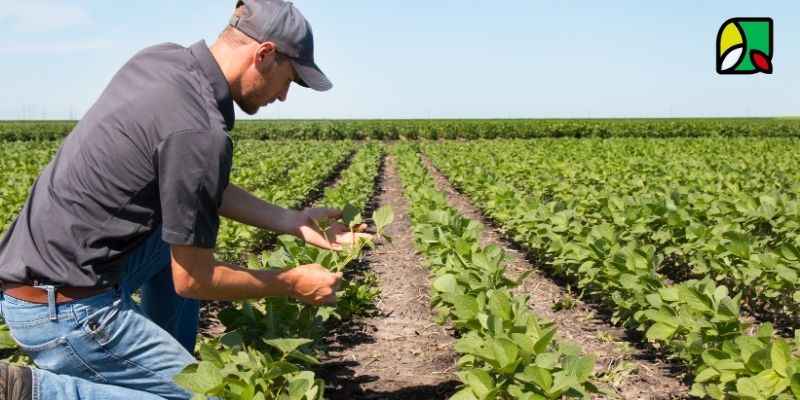
Managing a farm today is more complex than ever. There are several deterring factors such as rising costs, changing weather, and labor shortages. These factors can turn even a well-planned season upside down. The following tips combine proven field management best practices with the latest technology to help you take full control of your operations.
1. Use a Centralized Field Service Management Platform
If you are still managing operations by making paper notes, managing multiple Excel sheets, and making phone calls, then you are working harder, not smarter, and it is bogging you down. A centralized platform lets you see everything from tasks, schedules, to resources in one place.
Imagine if you have all your work orders, staff assignments, and machinery schedules visible in real time. How wonderful would that be, and that is exactly what digital platforms, like Microsoft Dynamics 365 Field Service, do. They eliminate the need for constant follow-ups and guesswork. When you can track progress at a glance, you can make faster and proactive decisions.
2. Automate Scheduling and Dispatching
Manually scheduling all the fieldwork can be a nightmare. You assign someone to a task and discover that they are already needed somewhere else, or the equipment they need is not available. AI-based scheduling takes these headaches and discrepancies away.
Automation makes sure that the right person with the right skills is in the right place at the right time. It can even automatically modify the plans if something unexpected happens, such as unexpected rainfall or equipment failure. This means there will be fewer delays, less stress, and smoother farm operations.
3. Enable Real-Time Location Tracking
When you have to manage multiple fields and your team is spread across them, it is next to impossible to know where everyone is and what they are doing. Real-time GPS tracking enables you to monitor progress, refine route planning, and provide accurate time estimates.
If a task is running behind schedule, you will see it immediately and can send extra help or adjust the priority. This high visibility prevents small delays from becoming bigger problems.
4. Standardize Your Work Orders and Service Tasks
Every farm task must have a clear process, from irrigation checks to pest control. Without process standardization, you will get inconsistent results.
By creating digital templates for common tasks, you can eliminate any confusion and keep everyone on the same page. Whether a task is done by your most experienced worker or a seasonal hire, you will know it is being handled in a predefined way.
5. Improve Communication with Mobile Apps
Phone calls and texts work well if you want a quick update, but they can get lost or misunderstood. Field service apps let you instantly send notifications, share photos, and update job statuses.
You can give instructions to your team in real time without needing to stop and call. This speeds up work and also reduces errors caused by miscommunication.
6. Empower Technicians with Mobile Access to Data
When workers have to call the office for every small question, productivity declines. But when they have mobile access to job histories, manuals, and field data, it kicks off productivity.
Whether it is a repair record for a tractor or past yield data for a specific plot, having access to information means that your team can work independently. It also cuts downtime and keeps jobs moving.
7. Use Preventive Maintenance Strategies
It is always expensive and disruptive when equipment breaks down. Thus, you must have a proactive approach and have preventive maintenance schedules, based on hours of use or sensor alerts, which can help you catch problems early.
This approach means fewer emergency repairs, less stress for your team, and better use of your resources. You will spend less time managing unexpected delays and more time focusing on productive work.
8. Streamline Reporting and Documentation
Paperwork can be the least exciting part of farming, but it cannot be avoided. But in this digital era, going paperless with photos, digital signatures, and online notes can save you hours and hassle.
Digital reports are easy to store, search, and share. That is very useful when you need accurate records for compliance, audits, or customer updates.
9. Monitor KPIs with Dashboards
If you can not measure it, you can not improve it. Tracking key performance indicators (KPIs) like job completion times, equipment usage, and first-time fix rates helps you detect inefficiencies.
With the help of visual dashboards, you can see trends over time and can act before issues affect your productivity. You can think of it as having a health check for your farm operations.
10. Invest in Training and Upskilling Your Field Teams
Technology is only as good as the people using it. And this is the reason why regular training keeps your team sharp and confident in using it.
When workers know how to use equipment and software, they make fewer mistakes and productivity rises. Moreover, investing in your team shows them that you value their growth, which can boost morale and reduce the turnover rate.
Why Field Management Becomes Overwhelming?
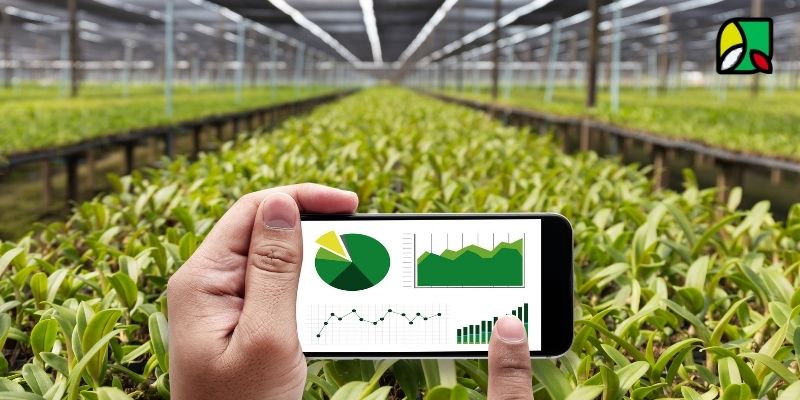
Even the best farmers can feel buried under the load of field work. The main causes often include:
- Lack of real-time visibility: Without access to up-to-date information, decision-making is delayed and problems grow.
- Manual workflows and disconnected systems: Switching between tools wastes time and causes errors.
- Poor scheduling and dispatch coordination: Overlapping tasks or missed deadlines affect your productivity.
- Inconsistent communication: Field workers and managers who are not on the same page can result in wasted effort.
- Compliance and documentation burdens: Regulatory requirements and reporting can take up valuable working hours.
Recognizing these challenges is the first step toward solving them. The next step is to adopt systems and strategies that simplify your work and give you better control over your farm operations.
Conclusion
Managing a farm is very demanding, but it does not have to be exhausting. So far, we have looked at ways to make your farm work management more efficient rather than stressful. This can be done by using a centralized platform and automating schedules, and empowering your team with mobile tools and preventive maintenance. Each strategy that we discussed reduces stress, improves efficiency, and helps you run your farm with confidence while hitting a good bottom line!
Imagine that it is mid-season, your fields are thriving, your workers know exactly what to do, and you can see the progress of each task without picking up the phone. This is exactly what efficient field management is, and it is possible with the right tools at hand.
So if you are ready to take the stress out of managing your farm, AgriERP can help you. Why? It is designed for farmers who want everything, from planning and scheduling to reporting, in one place. Visit AgriERP today to see how it can work for you and help you focus more on your crops and less on your paperwork.