The ERP Solution for the Year” 2025 in Agtech Breakthrough Awards 2025



Agriculture lies at the heart of global food security, yet today’s farmers face lots of problems in agriculture that threaten their livelihoods and the world’s food supply. These agricultural issues range from environmental pressures like climate change and soil degradation to economic hardships and labor shortages.
This blog will explore the current agricultural issues and agricultural challenges confronting farmers and discuss potential solutions. By understanding issues in agriculture, agribusinesses can better navigate the risks and remain resilient in a changing world.
Top 10 Challenges in Agriculture Today
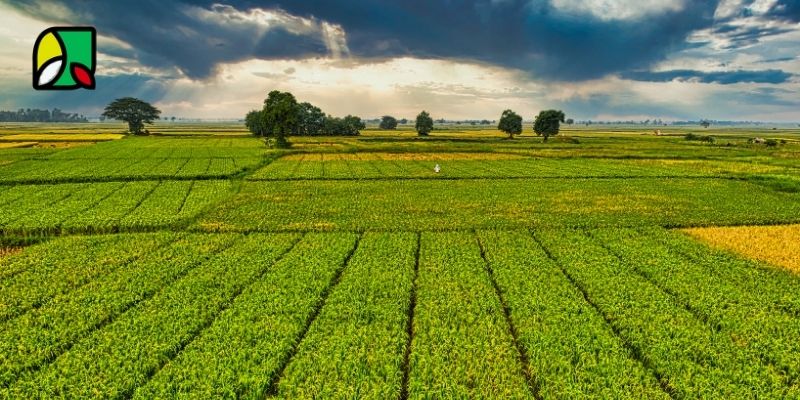
It is difficult to pinpoint the biggest challenge because farmers in the modern world have to deal with a combination of agricultural issues. Below, we have highlighted the top ten issues in agriculture that farmers are struggling to tackle.
1. Climate Change
The increase in temperatures, changing rain distribution patterns, and the increasing number of extreme events (storms, heatwaves, floods, and droughts) are interfering with the growing seasons and crop production.
Under a high-emission scenario, researchers estimate that crop yields across the globe might reduce by 24% because of the effects of climate, even after farmers’ efforts to mitigate climate challenges.
In 2023-2024, also, drastic droughts in other areas such as East Africa and intense heat in Europe destroyed harvests and endangered millions with hunger. The weather is also unpredictable, which implies more failures of crops and volatility. To the farmers, this could be the greatest challenge in the agricultural sector because it increases water scarcity.
This agricultural issue has led to the need to adopt climate-smart methods, including drought-resistant crops, better water management, and improved insurance as a way of coping with the agricultural problems.
2. Water Scarcity
Water is the blood of agriculture, which is becoming more and more scarce. Agriculture contributes approximately 70% of all freshwater withdrawals throughout the world, and water resources appear to be scarce in the majority of areas worldwide.
In addition, the UN Food and Agriculture Organization predicts that by 2025, 1.8 billion humans will inhabit areas where water will be in absolute shortage.
Climate change is exacerbating the water shortage problem across the world by changing the precipitation patterns, some areas experience prolonged drought, and others experience flooding which destroys infrastructure.
Hence, the majority of the farmers are now adopting sustainable irrigation methods (drip irrigation, rainwater harvesting), crop varieties that resist drought, and improved water management policies. In the absence of these, water shortage will remain one of the most acute topical problems of agriculture on the planet.
3. Soil Degradation and Farmland Loss
Modern farming is killing the soil. 40% of global soils are already degraded from overuse of chemicals and poor practices, potentially hitting 90% by 2050. Erosion strips away billions of tons of topsoil yearly, some Midwest farms lose soil 1,000 times faster than it naturally rebuilds.
We’re also losing farmland to development. The U.S. converted 11 million acres to urban use from 2001 to 2016, plus another 1.9 million acres in 2022 alone, also, it has been forecasted that urban expansion could claim 2% of global croplands by 2030.
This means farmers must produce more food on less fertile land. Solutions include cover cropping, reduced tillage, crop rotation, and cutting chemical overuse. Better land-use policies need to protect farmland from development. Without healthier soil and smarter land management, feeding future populations becomes much harder.
4. Pests, Diseases, and Crop Losses
Crop pests (insects, weeds) and diseases have always been enemies of farmers, but today this challenge is magnified by global trade. According to FAO, up to 40% of global crop production is lost each year to plant pests and diseases.
Farmers everywhere contend with persistent farming problems from pests: insects like locusts, fall armyworm, or aphids can decimate fields; weeds outcompete crops for nutrients; and plant viruses or fungi (such as rusts, blights, mildews) can wipe out yields.
Addressing pest and disease pressures calls for integrated pest management and innovation. This includes better monitoring and early warning systems, use of resistant crop varieties, crop rotation to break pest life cycles, biological controls (like beneficial insects or microbes), and judicious use of pesticides.
5. Rising Input Costs and Market Volatility
Farming is a business, and many challenges farmers face today are economic. Among these are the soaring costs of inputs, fertilizers, fuel, feed, seeds, and agro-chemicals, coupled with volatile market prices for outputs.
In recent years, fertilizer prices have spiked dramatically. U.S. farmers saw fertilizer costs jump over 28% in 2024 alone. These spikes squeezed farmers’ profit margins and raised fears of lower yields.
Beyond inputs, farmers also face market volatility for their products. Global grain and commodity prices can swing wildly due to factors like geopolitical conflicts, trade policies, or pandemics.
For farmers, these economic agricultural challenges make it difficult to plan and stay profitable. Thin margins mean that a jump in fuel prices or a dip in crop prices can make the difference between profit and loss for the season.
Solutions include improved access to credit and crop insurance, diversification of crops and markets to spread risk, and cooperative purchasing to get better input prices. Farmers increasingly also look to value-added products or direct marketing to capture more value and buffer against commodity price swings. However, managing costs and market risk remains a constant battle in modern farming.
6. Labor Shortages
Agriculture in many countries is facing a labor crisis. Physical farm work is demanding, and fewer people are willing or able to do it, especially at prevailing wages and in rural areas. Several factors drive these farmers’ problems with labor.
Rural populations are shrinking as people migrate to cities. Those who remain may seek less grueling jobs, especially if farm wages haven’t kept up or if the work is seasonal and unstable.
The labor shortage is one of those farming challenges that directly impacts productivity. Crops can rot unharvested if no workers are available in peak season, and livestock operations struggle to find reliable help.
To tackle this, farmers and policymakers are looking at multiple approaches. Mechanization and automation (such as robotic harvesters, milking machines, or drones) can reduce dependency on manual labor, although such technologies require investment and training. Additionally, improving farm labor conditions, offering better pay, benefits, and safer working environments can help draw workers.
7. Loss of Farmland to Urbanization
In parallel with labor and demographic shifts, agriculture is quite literally losing ground to urbanization. The expansion of cities and suburbs often comes at the expense of nearby farmland, which gets converted into housing developments, roads, and factories.
In developing countries, urban sprawl can be even more rapid and haphazard, sometimes consuming prime croplands.
This agricultural issue reduces the land available for food production and can drive remaining farmland prices higher (making it harder for new farmers to buy land). It also often means that agriculture gets pushed to less fertile or more marginal areas over time.
To address farmland loss, some regions implement land-use planning and preservation programs. Tools like agricultural land easements, zoning laws, or tax incentives can help protect farms from development pressure.
8. Changing Consumer Preferences
Modern farmers not only contend with environmental and economic hurdles, but also with evolving market expectations. Consumers today are increasingly conscious of how food is produced, demanding more sustainable, organic, and ethically sourced options.
A recent global survey found that over 80% of consumers are willing to pay more for sustainably produced food, with an average premium of 9.7%. This shift in consumer sentiment is pushing farmers toward practices that reduce chemical use, conserve resources, and improve animal welfare.
For farmers and agribusinesses, staying attuned to consumer preferences and policy is now part of doing business. Those who adapt by adopting sustainable practices, obtaining certifications (like organic or Fair Trade), or investing in eco-friendly technology may gain a market advantage.
9. Supply Chain Disruptions
Modern agriculture is deeply interconnected; inputs like fertilizer or machinery parts often come from far-flung sources, and farm outputs rely on complex logistics to reach processors, markets, and export destinations. When this chain breaks down, farmers can suffer greatly.
Farmers face surging feed costs or cannot get a critical tractor part due to a factory shutdown abroad. Even weather disasters can have far-reaching supply impacts; for example, a drought in South America can tighten soybean supply worldwide, influencing prices that U.S. or Asian farmers receive.
Building resilience to supply chain disruptions is therefore a priority. Diversifying sources of inputs can reduce dependency on any single foreign supplier. At a higher level, international cooperation on keeping trade flowing (avoiding export bans in crises) and investing in early warning systems for supply shocks are part of the solution.
10. Technology Gaps and Digital Divide
Although agricultural technology (AgTech) is rapidly developing, drones, sensors, data analytics, and automation all have a positive impact; not every farmer can adopt new technologies.
Implementation of new technologies in itself is a challenge because of cost, skills, and infrastructure obstacles. There are numerous small-scale farmers, or people in the developing and rural regions, who have no reliable internet connection, electricity, or funds to invest in the hi-tech equipment.
Even for larger farms, keeping up with technology can be daunting. New farm management software, satellite imaging services, robotic machinery, or bioengineered seeds promise higher efficiency and yields, but they require knowledge and upfront investment.
Bridging this technology gap is key to solving many other farming problems. For instance, precision irrigation technology can save water, and automation can alleviate labor shortages.
Solutions at a Glance: Navigating the Challenges
The above agricultural challenges are definitely important, yet farmers can use several innovations and tactics that will allow them to overcome such challenges. The following are some of the solutions that can be utilized to rectify several agricultural issues:
- Sustainable Farming Practices: Regenerative agriculture and climate-smart practices are emerging and being utilized by farmers to create more robust operations. This will include crop diversification, planting of trees in agricultural areas, minimizing soil erosion, and making water more efficient by adopting irrigation techniques such as drip irrigation. These methods enhance the quality of soil, conserve water, and reduce costly inputs. They also assist the farms to cope with weather extremes and climate change.
- Technology and Digital Tools: The use of modern technology provides farmers with improved opportunities to be more productive and makes it easier to make an informed decision. Precision agriculture is based on the application of fertilizers and pesticides with greater precision using GPS, sensors, and data analysis to identify problems at an early stage. Also, a farm management solution like AgriERP can assist in planning and managing resources.
- Government Support and Investment: Governments and international agencies have a role in easing farmers’ burdens. Policies like crop insurance, disaster relief funds, and fair-trade agreements can buffer economic shocks. Investments in infrastructure, from irrigation systems and roads to rural broadband, create an enabling environment for agriculture. Moreover, immigration and labor policies that address farm labor needs (such as guest worker programs or mechanization grants) can alleviate the workforce crunch.
- Education and Knowledge Sharing: Expanding agricultural extension services and farmer training programs will help spread best practices. Peer-to-peer learning, farmer field schools, and youth engagement in agriculture (through 4-H, FFA, or other initiatives) are vital to bring fresh talent and ideas into the sector. Public awareness efforts can also bridge the urban-rural divide, helping consumers understand farming realities and why sustainable choices matter.
Final Thoughts
From climate change to labor shortages, the issues in agriculture today are complex but not insurmountable. Farmers have always been resourceful, and with the right support and innovation, they can adapt to these agricultural challenges.
Ensuring a secure food future will require a concerted effort, embracing sustainable practices, leveraging technology, and crafting policies that empower the farming community. Agribusiness owners, especially those managing large operations, should proactively invest in resilience: this means everything from soil conservation to digital transformation.
In an age where every efficiency counts, adopting integrated solutions can give farms a competitive edge. Using a comprehensive farm management platform like AgriERP (an all-in-one agriculture ERP system) can streamline operations, improve resource tracking, and provide data-driven insights to tackle many of the challenges discussed.
AgriERP helps farmers optimize inputs, manage labor and finances, and make informed decisions, ultimately boosting sustainability and profitability.
Ready to transform your farming operations? Discover how AgriERP can help you build a more resilient, sustainable, and profitable agribusiness today!