The ERP Solution for the Year” 2025 in Agtech Breakthrough Awards 2025


What Is Farm Inventory?
Farm inventory is a vast term, it includes all the physical items and resources used in your agricultural operations. Understanding and managing your inventory and inventory needs is the key to smooth farm management.
- Inventory for Crops: This includes the stock related to your crops, such as seeds, harvested crops, and storage records. Accurate records of these will help in planning planting schedules and managing storage.
- Livestock Inventory: Keeping a tab on the number of animals, their health, and locations is important for managing feeding schedules, breeding programs, and veterinary care.
- Equipment & Machinery: Maintaining a list of farm machinery, including tractors, harvesters, etc, and their maintenance schedules, will help in making sure that equipment is always available. This can also include any spare parts.
- Chemical Products: keeping a record of quantities, expiration dates, and usage of fertilizers and chemicals helps their effective and safe application.
Why Should We Do It?
There are many benefits for your farm that are a result of effective agricultural inventory management:
- Reduces Waste: By keeping an eye on your inventory, you can minimize spoilage and improper usage of supplies. This can result in significant cost savings.
- Enhances Operational Efficiency: Better inventory management saves time, reduces downtime, and facilitates better planning. You can make sure that your farming activities are not hindered by any interruptions.
- Improves Financial Oversight: Tracking the value of your inventory helps in making smart budgeting decisions and cuts unnecessary expenditures.
10 Best Practices for Effective Inventory Planning for Agriculture
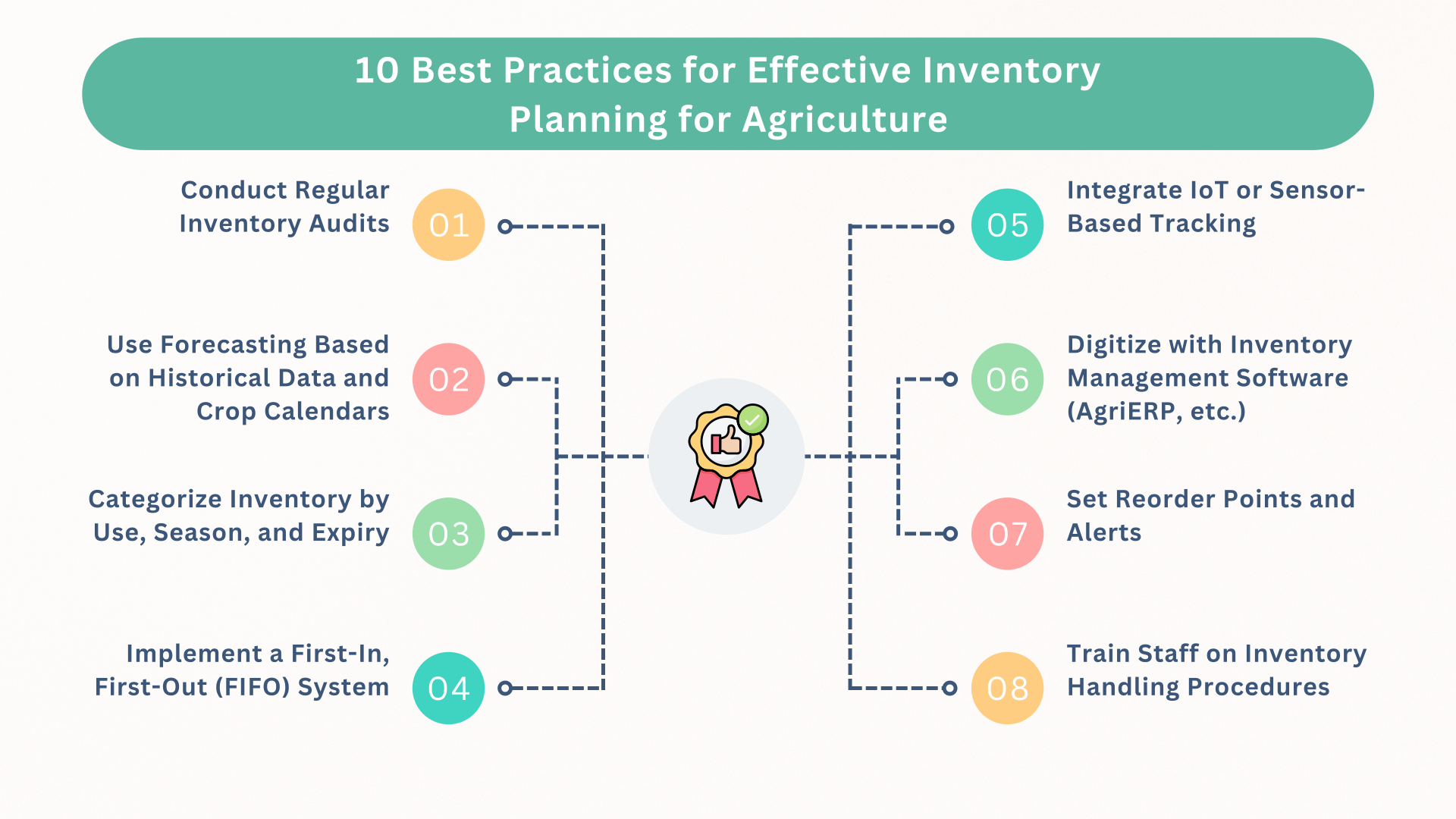 If you implement the following best practices, then you can immensely improve your agricultural inventory planning and management. These steps are simple but can give you more control and reap better results from your farm operations.
1. Conduct Regular Inventory Audits
It is simple, you can’t manage what you don’t count. Therefore, Regular inventory audits, whether they are monthly or quarterly, are a must. They will help you keep precise records.
You can also match your actual stock levels with the numbers recorded, highlight missing or extra items, and prevent theft and spoilage. By checking your stock on a routine basis, you can catch errors early and act proactively.
2. Use Forecasting Based on Historical Data and Crop Calendars
Looking at last season’s usage data gives you clues about what you’ll need this time. Combine this with your crop calendar—planting, growing, and harvesting periods—to estimate when you’ll need certain inputs like seed, irrigation parts, feed, or chemicals.
For instance, if your past three corn seasons showed you used 400 kg of fertilizer between March and June, you’ll know when and how much to stock up this year. This type of forecasting helps you avoid panic purchases and gives you the chance to take advantage of early-season pricing.
3. Categorize Inventory by Use, Season, and Expiry
Being organized is the key; categorizing your inventory into logical groups helps in preventing waste and also saves time. You can categorize items by their use: fertilizers, feed, or equipment parts.
Then further break it down by season, such as products used only during planting vs. those used throughout the year. And finally, look at their expiration dates, especially in the case of perishable or chemical products. This classification will help you plan better, store smarter, and use items in time.
4. Implement a First-In, First-Out (FIFO) System
FIFO means the oldest inventory is used first. This rule is very useful in case of items that have a fixed shelf life, such as seeds, pesticides, and animal feed. It always seems convenient to reach for the newer, easier-to-access supplies, but in doing the risk of older items getting expired and wasted is increased.
You must mark items clearly with dates when they arrive, and store them in a way that newer products do not block access to older ones. This rule can help reduce waste and maintain product quality.
5. Integrate IoT or Sensor-Based Tracking
New technology is uplifting all farming practices. IoT (Internet of Things) helps you monitor inventory conditions in real-time. For example, sensors in grain storage bins can report moisture levels, and temperature sensors in chemical storage can detect if conditions become unsafe.
You can also use RFID or barcodes to scan items in and out of storage and keep records up to date without manual intervention. These tools make your inventory more visible and easier to manage.
6. Digitize with Inventory Management Software (AgriERP, etc.)
Paper logs and spreadsheets are a thing of the past in our fast-paced environment, they can not keep up with the complexities of modern agriculture. A digital solution that comes with inventory management tools, like AgriERP, empowers you to track your inventory at not one but multiple locations, monitor its usage rate, trigger low-stock alerts, and give reports.
These platforms also integrate with other farm operations like procurement and production planning. When everything is connected into one powerful system, you spend less time searching for information and more time making smart decisions backed by real data.
7. Set Reorder Points and Alerts
You can not afford to run out of important supplies mid-season and let your operations stall. That is why it is best to set “reorder points”; these are the predefined minimum quantities that trigger a replenishment order.
For example, if you use 100 liters of herbicide weekly, and delivery takes a week, your reorder point might be set at 120 liters. Modern digital tools can send alerts when stock falls below this level. This way, you can avoid last-minute orders and keep your operations running smoothly.
8. Train Staff on Inventory Handling Procedures
Your team is the players in the field and farm; even the best inventory system can fail if they do not know how to handle inventory. Everyone involved should understand proper procedures.
This includes recording stock movement, identifying expiry dates, and following storage guidelines. It is recommended to have training sessions and reference checklists to keep everyone informed. When everyone handles inventory the same way, your data stays organized and reliable.
9. Ensure Inventory Data Sync Across Locations
If your operations are spread across more than one location, then syncing inventory data is crucial and also challenging. Integrated digital tools or cloud-based platforms allow all your teams to visualize stock levels in real time.
This improves resource sharing and reduces unnecessary purchases. It also helps workers in different locations to collaborate and move items where they are needed the most.
10. Monitor and Evaluate Inventory KPIs
Finally, it is very important to track your key performance indicators (KPIs) related to inventory. These can include inventory turnover (how often stock is replaced), holding costs, stockout frequency, and accuracy rates during audits.
By analyzing these numbers, you can identify the strategies that work for your farm. For instance, a low turnover rate may signal that you’re over-purchasing certain items. KPIs help turn raw data into meaningful information that can help you make better inventory decisions.
Conclusion
Efficient farm stock management is the first step towards successful farming operations.
By implementing these best practices, such as regular audits, accurate forecasting, proper categorization, and utilizing modern technology, you can cut waste, boost efficiency, and enhance financial transparency. These practices can streamline your processes and lead you towards sustainability and profitability.
As you thinking of uplifting your inventory management practices? Then, exploring solutions like AgriERP can help you have the best tools and support needed to implement these best practices.
With features customized to agricultural needs, AgriERP offers a comprehensive approach for efficient inventory planning and helps you stay organized and make informed decisions for your farm’s growth!