The ERP Solution for the Year” 2025 in Agtech Breakthrough Awards 2025


With the same hurdles affecting all the farmers, why do some of them get better yields and healthier crops every season? What is the magic happening in their fields? Well, there is no magic; rather, the secret lies in knowing the impactful field management facts that guide them towards smarter decisions. As a grower, the more you understand about your fields, the better you can plan, adapt, and thrive.
Field management in agriculture is not just about planting seeds and hoping for good weather, and for all odds to be at your side; infact, it is about collecting the right data, making informed choices, and using technology to your advantage. This is exactly where modern solutions like AgriERP make your life easier without adding complexity to your work.
Why Field-Level Facts Matter?
It is simple, you can not manage what you do not measure. In farming, every decision, right from when to irrigate to how much fertilizer to apply, depends on accurate field data. A single wrong assumption can result in wasted resources, lower yields, and even long-term soil damage.
The USDA reports that precision agriculture practices, such as yield mapping and variable rate technology, can increase the net returns by almost 4.6%! This might not seem huge at first, but when it is a matter of hundreds or thousands of acres, it can mean the difference between breaking even and gaining a hefty profit.
It is a misconception that field management facts are just about record-keeping; in reality, they help you maximize the potential of every foot of land that you work on. By tracking the right information, you create a solid foundation for decisions that can reduce risks, control your costs, and boost productivity.
Top Field Facts Every Grower Should Track
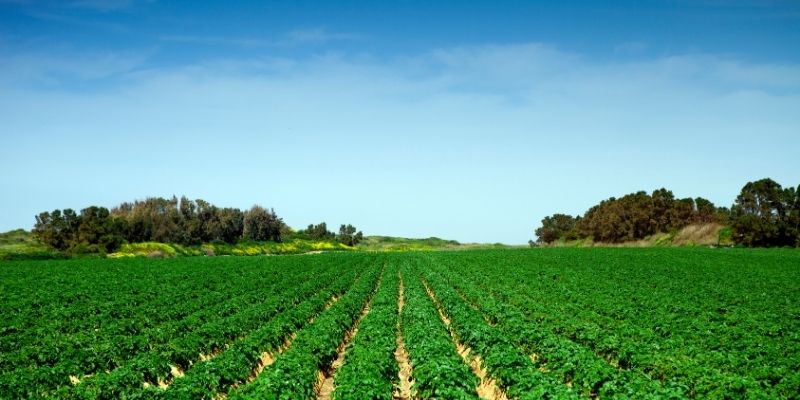
You must know your fields inside and out and upside down! This is more than a best practice; it is the key to gaining a competitive advantage. These are the field management techniques for growers that help you make data-driven choices and stay ahead in an increasingly challenging industry.
1. Exact Field Location & Boundaries
If you know the exact coordinates and boundaries of your fields, it enables you to utilize powerful modern tools such as satellite imagery, drone surveys, and hyper-local weather forecasts. It also enhances precision agriculture technology by making sure that all your equipment follows accurate GPS guidance during planting, spraying, and harvesting.
When you have clearly defined the boundaries of your field, task dispatching becomes faster and more efficient. For example, if you send a team to spray or irrigate, they will know exactly where to work, hence this will reduce overlapping, missed spots, and fuel wastage.
2. Field Size
Field size is not merely a number; it is an important factor that helps you decide what to grow, how much to plant, and which machinery to use. Larger fields might need more advanced irrigation methods for different crops, but on the other hand, small fields can benefit from specialty equipment and niche crop varieties.
Accurate measurements also help you plan the volume of your inputs, such as seeds and fertilizers. Overestimating field size results in overspending, but underestimating it can leave you short in the middle of planting. In both cases, time and money are wasted that you could have put to better use.
3. Field Utilization (Crop Planted, Coverage)
You must make the maximum from your fields; this is why understanding exactly what is planted in each field and the percentage of coverage is important for harvest planning and labor scheduling. If you know 60% of a field is planted with corn and the rest with soybeans, you can prepare different harvest equipment and plan the storage capacity.
This data is also connected to inventory management. By tracking what is growing and where, you can better forecast yields, plan sales, and coordinate with buyers. Thus, steering clear of last-minute surprises.
4. Fertilization History
Every time you apply the fertilizer, it leaves a mark on your soil and affects the performance of your crops. By tracking fertilization history, you can get a clear picture of how nutrient management has affected yields over time.
With this information at hand, you can avoid over-fertilization, which wastes money and poses harm to the environment, or under-fertilization, which limits your crop potential. It also lets you match your nutrient plan with the future crop needs, whether you are growing wheat, potatoes, or any specialty produce.
5. Crop Rotation History
Crop rotation has always been beneficial for soil health. By alternating crops, you are able to disrupt pest and disease cycles, enrich soil structure, and effectively manage nutrient levels.
Keeping a detailed crop rotation history means you can see patterns that might be missed otherwise, be missed. For example, if a specific type of pest keeps returning, you might spot that a shorter rotation cycle is giving them a chance to survive every year. Long-term records will help you make adjustments that will protect your fields for the future.
6. Soil Type, pH & Soil Test Data
Soil is the birthing ground for your bounty, and knowing its characteristics in depth is way more beneficial than you think. The importance of soil testing for crops cannot be overstated; it tells you which nutrients are lacking, whether pH needs adjusting, and how well your soil holds water.
Different types of soil respond differently to irrigation and fertilization. Sandy soils might drain too quickly, and might need more frequent watering; on the other hand, clay soils may hold water but risk compaction. By combining soil test data with water management tips for farmers, you can create highly targeted plans that will save money and boost yields.
Conclusion
“The farmer has to be an optimist or he wouldn’t still be a farmer,” says Will Rogers
We’ve highlighted the most important field management facts every grower should know, ranging from exact boundaries to detailed soil test results. Understanding these facts equips you to make better decisions across irrigation, crop rotation, pest control, and nutrient management. Each data point builds toward a bigger picture, helping you farm smarter, not harder.
Now, imagine running your operation with all this information at your fingertips: no piles of paper, no guesswork, just clear insights ready for action. That’s the power of combining good field practices with technology. A platform like AgriERP, backed by advanced farm management software, brings all your data together in one place helping you plan, track, and adapt effortlessly.
When your field data is accurate, organized, and accessible, you’re free to focus on what you do best: growing. So let’s put these field management facts into practice with the support of AgriERP!