The ERP Solution for the Year” 2025 in Agtech Breakthrough Awards 2025


The Call for Innovation in Agriculture
If you’ve ever found yourself managing reams of spreadsheets, double-checking compliance documents, or juggling inventory and labor schedules by hand, you know how quickly these tasks multiply.
While there’s nothing inherently wrong with the tried-and-true paper methods, modern farms are simply bigger, more complex, and more regulated than ever.
Add in the unpredictability of climate events, shifts in consumer preferences, and rapid changes in technology, and you’ve got the perfect recipe for a complicated system that begs for more efficient solutions.
Why Now?
- Aging Workforce: With farm operators averaging 57.5 years old, it’s crucial to pave the way for younger farmers to step in. Integrated tools can help by making processes more transparent, data-driven, and less reliant on labor-intensive methods.
- Market Pressures: Net farm income is forecasted to decrease by 4% in 2024, primarily due to rising input costs. To remain profitable, farms need to do more with less—and do it efficiently.
- Sustainability: Consumers are demanding ethical, eco-friendly production. Farms that embrace sustainable methods and reduce waste are set to stay competitive in the long haul.
How Integrated Tech Boosts Profitability
When we speak about “profitability,” we’re often looking at the net dollars left after all bills are paid. In modern farming, those bills can add up fast: fertilizer, fuel, seed, labor, equipment maintenance, shipping—the list is long.
Here’s how integrated technology helps reduce costs and shore up profit margins:
1. Streamlined Processes
- Proprietary data shows that farms using automated management software have reported a 30% increase in overall productivity.
- By eliminating duplicate tasks—like manual data entry—farm managers free up time to focus on more strategic decisions (e.g., diversifying crops or exploring new markets).
2. Reduced Operational Costs
- Farms adopting automated solutions experience a 20% reduction in operational costs.
- When you digitize everything from procurement to supply chain management, you minimize waste and errors while improving your farm’s bottom line.
3. Minimized Errors and Wastage
- Even simple financial mistakes or miscalculations in inventory levels can be costly. Automation and real-time tracking help reduce accounting errors by up to 35%, according to recent findings.
- With precise oversight, a farm can order exactly what it needs—no more, no less.
4. Optimized Labor Management
- Automated workforce solutions contribute to a 30% improvement in labor productivity.
- These tools can manage schedules, payroll, and even task assignments, ensuring that employees spend their time where it truly matters.
5. Faster Procurement and Sales Cycles
- Modern ERP tools shave 25% off procurement time by syncing real-time inventory data with supplier management systems.
- Farms digitizing sales have seen up to a 40% reduction in order fulfillment time, which translates into faster delivery and happier customers.
In short, integrated technology allows for smoother, more coordinated operations. It tackles inefficiencies head-on, whether it’s bridging gaps between planting schedules and inventory levels or automating repetitive tasks that once bogged down your administrative teams.
How Integrated Tech Drives Sustainability

Sustainability in farming is more than a buzzword—it’s a survival strategy. Being a good steward of the land, water, and human resources isn’t just ethically sound; it’s often economically beneficial. Integrated tech plays a pivotal role in making farming more sustainable:
1. Precision Agriculture Tools
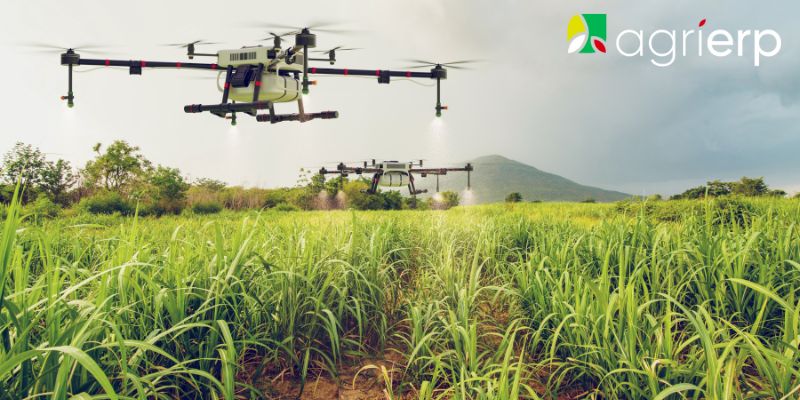
- About 60% of large farms now use GPS guidance, and 30% have embraced drone technology.
- These technologies not only reduce chemical usage (by targeting specific areas that need treatment) but also help protect soil health by avoiding over-application of fertilizers or pesticides.
2. Efficient Resource Use
- Real-time monitoring through ERP dashboards ensures water usage, fertilizer consumption, and other inputs are optimized.
- Over or under-application of resources is less common when everything is tracked in one centralized system.
3. Reduced Carbon Footprint
- Integrating route optimization in transportation has led to a 20% reduction in fuel costs for some farms.
- When you cut down on unnecessary travel for deliveries or pick-ups, you also reduce emissions—an added win for the environment.
4. Improved Regulatory Compliance
- Farms often struggle to keep up with a complex web of laws, certifications, and guidelines.
- Automated compliance tracking allows farms to cut audit preparation time by 50%. Maintaining accurate and digital records reduces legal risks and helps farms avoid costly penalties.
5. Data-Driven Decision-Making
- AI-driven analytics can lead to a 15% increase in crop yield by factoring in weather data, soil health metrics, and historical yield patterns.
- When you know exactly where to plant, how much to water, and the precise time to harvest, you minimize resource use and maximize production.
Sustainability and profitability are closely intertwined. Healthy soil today means better yields tomorrow. Reduced emissions mean lower fuel costs. Meeting regulatory standards not only avoids fines but opens the door to new markets that value responsible farming practices.
Collaboration and Community Building
One lesser-discussed benefit of integrated farm management systems is the way they foster collaboration. Farming has always been a collaborative effort—neighbors helping neighbors, co-ops forming to pool resources—but technology scales that sense of community to new heights.
- Peer-to-Peer Resource Sharing: Within digital platforms, farmers can share equipment schedules, pool together for bulk purchase of inputs, and coordinate planting schedules to stagger production across a region.
- Partnerships with Tech Providers: Engaging with technology experts helps tailor these tools to a farm’s unique needs. It’s not just a one-time transaction; it’s an ongoing partnership that evolves as the farm grows.
- Educational Initiatives: Some advanced platforms host webinars and community forums, bringing farmers together to exchange best practices. This ecosystem of shared knowledge enriches everyone involved.
By coming together through integrated platforms, farmers can tackle larger challenges—like water scarcity, climate resiliency, or consumer education—far more effectively than if they acted alone.
Challenges and Considerations
Of course, adopting new technology isn’t always a walk in the park. Common challenges include:
- Upfront Costs: While the long-term ROI is positive, acquiring new hardware (like sensors or upgraded equipment) and software licenses can be daunting.
- Learning Curve: Not everyone is comfortable shifting from paper logs to digital dashboards. Training and onboarding are crucial parts of a successful adoption.
- Data Security: As farms become more reliant on digital systems, safeguarding data from breaches or cyberattacks becomes essential.
- Scalability: Solutions should grow with the farm. What works for 50 acres might need adjustments at 5,000 acres.
The good news is that robust platforms, including AgriERP, have built-in support systems—whether it’s customer support, online tutorials, or best-practice guidelines—to help farmers overcome these hurdles.
And as digital literacy grows among the younger generation, the benefits often outweigh the initial learning curve and costs.
Real-World Success: A Quick Snapshot
Consider a mid-sized family farm that produces both grain and vegetables year-round. After adopting an integrated ERP tool to handle procurement, scheduling, and financial reporting, they reported:
- 35% fewer stock discrepancies due to real-time inventory management.
- A 25% faster procurement cycle, ensuring that seeds and fertilizers arrived exactly when needed.
- 30% improvement in labor productivity because tasks were assigned more efficiently, and payroll was automated.
- Zero compliance penalties after digitizing regulatory records, cutting audit prep time in half.
These kinds of stories underscore how integrated tech creates ripple effects. One improvement—like real-time inventory tracking—cascades across the entire farm’s operation.
Cultivating a Resilient Future
No matter how you look at it, agriculture sits at the intersection of feeding the world and preserving our planet. It’s a balancing act that requires thoughtful innovation. Integrated technology paves the way for what many are calling “smart farming”—a model that’s data-driven, collaborative, and increasingly sustainable.
- Embracing Younger Generations: As farms become more tech-forward, they also become more attractive workplaces for a new generation of operators, agronomists, and data analysts.
- Securing Long-Term Profitability: By using real-time analytics and process automation, farms can navigate the choppy waters of market volatility and weather extremes more confidently.
- Improving Environmental Stewardship: Farms that reduce resource waste set a precedent for sustainable agriculture, ensuring our farmland remains fertile for the next generation.
This is not just a passing trend. According to most current data, integrated solutions are increasingly becoming the norm rather than the exception in U.S. agriculture. From small family farms to massive commercial operations, the sentiment is the same: technology is a lifeline, not a luxury.
The Road Ahead
It’s clear that integrated technology is reshaping the landscape of agriculture, making farms more resilient, cost-effective, and eco-friendly.
By embracing automated processes, real-time data analytics, and collaborative platforms, today’s farms are better positioned to handle whatever tomorrow brings—be it a surge in global demand or a sudden swing in weather patterns.
Cultivating change often requires letting go of the familiar to embrace new ways of thinking and doing. For many farm operators, adopting an all-in-one solution like AgriERP signals a commitment to both profitability and sustainability.
Yes, the learning curve is real, and the investment is substantial. But the gains, from streamlined operations to a cleaner footprint, make a compelling case for why integrated tech isn’t just good business; it’s good stewardship.
In a world that’s changing more rapidly than ever, it’s comforting to know that agriculture, an industry rooted in tradition, is still ready to innovate. Whether you’re a seasoned farmer or just starting out, remember: change is inevitable, but progress is optional. With the right technology in place, you can cultivate both.