The ERP Solution for the Year” 2025 in Agtech Breakthrough Awards 2025


After getting done with your harvest season, have you ever wondered where all your money went? Maybe you had a great yield, but your bank account does not show it. Or have you been thinking of expanding, but you are not sure if you will be able to afford it?
If you have found yourself in such situations, then you are not alone. Many farmers like you are stuck between soaring input costs, unpredictable weather, and market pressure, while still striving to be profitable. This is the reason why you must be a master of tracking your farm costs.
However, you are mistaken if you think tracking farm costs is only about bookkeeping or accounting. It is more about making smarter decisions every single day and knowing when to buy inputs, how to plan your labor, and which crops will help you make more money. When you have clear numbers in front of you, it becomes easier to cut down on extra spending, maximize your operations, and expand your production.
The entire agricultural economy is changing today; farmers who understand their costs down to each penny can grow and thrive more. But the good news is, you do not have to do it manually. With the help of modern farm management software, cost tracking has now become a reliable part of your daily workflows.
Regardless of the scale of your farm, whether you run a small family farm or manage multiple operations, powerful software like AgriERP provides you with the tools that let you take control of your finances and plan your next move.
Here we will take you through why farm cost tracking is a must for farm growth, which areas you should be focusing on, and how you can reduce your farm expenses and scale your operations with the help of the right tools.
Why Tracking Farm Costs Is Crucial for Sustainable Growth?
According to the USDA, the total expenditures by U.S. farms (not including Alaska and Hawaii) were. $481.9 billion in 2023, up 6.5% from $452.5 billion in 2022! However, many farms still rely on outdated records and estimates. But without having clear insight into your numbers, you can simply not make confident decisions. Here are some of the most compelling reasons why you must track your farm costs:
1. Lack of Visibility Leads to Hidden Losses
When your farm expenses are spread across multiple spreadsheets, receipts, or your memory, then small things that go overlooked add up to big losses. If you are unable to see cost trends in real time, you are more likely to overspend on inputs, labor, or machinery without even realizing it.
2. Cost Overruns and Operational Inefficiencies
Many factors can skyrocket your bills, such as inflated fertilizer purchases, unchecked fuel waste, or machinery that is sitting idle. Operational inefficiencies such as unplanned overtime or broken equipment can also harm your bottom line and hurdle growth.
3. Missed Opportunities for Scaling Profitably
If you clearly do not know what each field or crop unit costs, it is impossible to scale profitably. You will then risk expanding areas that are not cost-effective, or missing opportunities where investment could give you more income.
6 Major Cost Areas on a Farm That Must Be Tracked
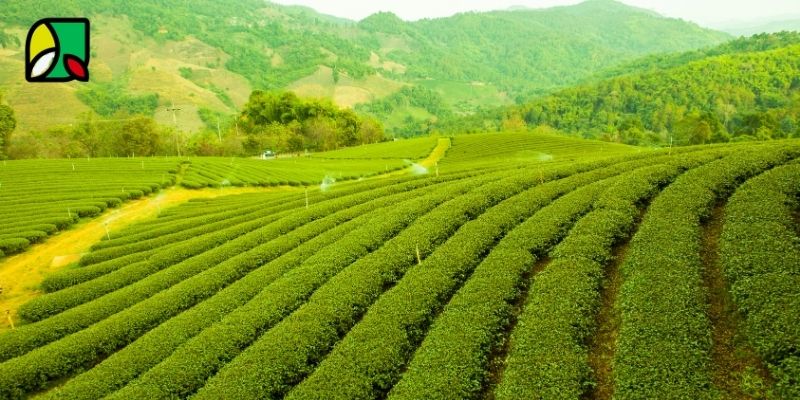
Knowing your cost areas can help you prioritize where to track and allocate your budget:
1. Seed, Fertilizer & Pesticide Inputs
These inputs have the highest variable costs per acre. Without tracking them, you can not compare efficiencies between seasons or fields, and you may over-apply or end up misallocating expensive materials.
2. Labor and Wages
Labor is also among your largest expenses. Tracking worker hours by task and crop lets you spot idle time, payroll waste, or staff that does not match well with the tasks allocated.
3. Fuel, Machinery, and Maintenance
Fuel burn, wear-and-tear of machinery, and repairs can be costly if preventive maintenance is not executed. Logging usage and upkeep helps you avoid breakdowns and unexpected spikes in expenses.
4. Irrigation and Utilities
Some amenities silently eat into your budget, such as water, electricity, and other utilities. Thus, if you are not aware of how many liters of water or kilowatt hours each crop uses, you can not optimize scheduling or negotiate better rates.
5. Post‑Harvest Storage & Transport
Post-harvest costs, such as costs of refrigeration, warehousing, packaging, and trucking, add up very quickly. Wastage or delays at this stage can destroy any profit you made in the field.
6. Land Lease and Financing Costs
And yes, how can we forget the basic land costs? Rent, mortgage interest, insurance, and property taxes are fixed costs that can hinder growth if they are not taken into account accurately. You need clear tracking so you know the real operating margin per acre once these are factored in.
How Farm Management Software Helps Reduce and Control Costs
Farm management software brings all these expense areas under one roof and dashboard, and by offering tools to act on your cost data, let us see how:
1. Centralized Expense Tracking and Reporting
There are no more scattered spreadsheets. Real-time dashboards let you see your total input spend, production cost per crop, and easily compare planned vs actual budgets.
2. Input Planning and Budget Forecasting
You can use your past cost data to plan your future crop cycles. This can help you bulk-buy when prices drop, match input deliveries with field requirements, and avoid any surprises.
3. Inventory and Procurement Automation
You never want to overstock or run out of stock; both situations are harmful. Software automates reorder alerts and suggests vendor deals, so you waste less on over-purchasing or on emergency orders that are at higher prices.
4. Field-Level Cost Monitoring
Granular level tracking gives you control. By tracking costs per acre or harvest, you can compare the efficiency of every field, crop varieties, or seasons, and focus on expanding on your highest-margin areas.
5. Labor and Task Management
You can assign tasks to teams and track hours per task. You can flag any idle time or overscheduled work. Thus, it helps you manage crew size and reduce overtime.
6. Equipment Usage and Maintenance Logs
Being proactive is the key! You can schedule preventive maintenance and log usage hours. That keeps equipment running at peak efficiency and avoids expensive repairs or fuel waste caused by breakdowns.
Why AgriERP Is a Game-Changer for Farm Cost Tracking
AgriERP is designed exclusively to cater to the needs of agriculture! We know that anyone who is beginning their budgeting journey must benefit from clear, integrated tools. AgriERP cost tracking features offer the following:
- Built‑in expense modules capture inputs, labor, and machinery. Thus, no extra tagging is needed.
- Full integration with important modules such as procurement, accounting, and inventory, so numbers are updated instantly in real-time.
- AI‑driven budgeting tools forecast costs and highlight risk zones ahead of planting seasons. Custom dashboards show real‑time financial health according to crop, field, or region.
- Custom dashboards show real‑time financial health according to crop, field, or region.
- Multi-location and multi-crop visibility is a must for larger farms or agribusinesses managing multiple units.
Conclusion
John F. Kennedy once said, “The farmer is the only man in our economy who buys everything at retail, sells everything at wholesale, and pays the freight both ways”. This is so true, and thus it is very important for a farmer to be fully aware of his actual numbers. This transforms farming from guesswork into a business that has reliable margins, clear plans, and can attain sustainable growth.
When you accurately track your farm costs, you can spot waste, savings, and know where to invest in scaling. You understand which fields will give you profit, where labor and equipment are being over- or underused, and when to cut back or expand into new areas.
Imagine you are planning which crops to plant next year. With AgriERP, you can see last season’s input expenses, labor usage, equipment downtime, and yield per plot. You can forecast how much seed or fertilizer to buy, avoid unexpected costs, and plan which fields to expand next, but with less risk and higher clarity. Hence, if you are ready to grow along with your crops and grow smarter and more profitably, then you must have AgriERP help you count each penny that you spend!