After months of heightened tensions between the Make America Healthy Again (MAHA) Commission and the agricultural community, the release of the second MAHA report marks a significant shift in tone.
Led by Robert F. Kennedy Jr., the commission, which initially took a hard stance on pesticides like atrazine and glyphosate, is now calling for a more collaborative, science-based approach to agricultural sustainability, innovation, and nutrition.
The 20-page report, titled Make Our Children Healthy Again Strategy, released in September, moves away from regulatory restrictions and focuses instead on promoting healthier lifestyles, better nutrition, and cutting-edge agricultural practices.
This adjustment in strategy signals a potential breakthrough in finding common ground between environmental advocates and the agriculture industry.
From Regulation to Innovation
One of the most noticeable changes in this second report is the shift from aggressive regulation of crop protection chemicals to a more measured approach, focused on reducing their use rather than imposing blanket restrictions.
This change follows feedback from agricultural stakeholders, including more than 250 groups representing farmers, ranchers, and crop protection researchers, who expressed concerns over the first report’s tone.
In response, the White House held a series of meetings over the summer to engage with the agriculture sector. During a Senate Finance hearing, Kennedy revealed that he had spoken with over 100 organizations and emphasized the importance of agriculture in achieving MAHA’s broader health goals.
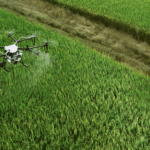
The new report highlights the need for precision agriculture, an approach that uses advanced technology to apply pesticides more efficiently, targeting only the areas that need them. By focusing on innovations such as drones, robotic monitoring, and computer-assisted spray technology, the report aims to improve crop productivity while reducing the overall use of chemicals.
“USDA and EPA will launch a partnership with private-sector innovators to ensure continued investment in new approaches and technologies,” the report states. “These partnerships should focus on precision application methods, including targeted drone applications, computer-assisted targeted spray technology, and robotic monitoring.”
This strategic pivot aligns with the agricultural sector’s growing emphasis on sustainability and technological advancements, presenting a more balanced solution that could benefit both food production and environmental health.
Industry Positive Response
Unlike the initial backlash that followed the first MAHA report, the second release has drawn a more positive response from many in the agriculture industry. A key development is the inclusion of meat products in the commission’s vision for healthy diets.
The Meat Institute, for instance, praised the report’s recognition of nutrient-dense meat and poultry as essential components of a balanced diet.
“Science has shown what American parents have known all along: nutrient-dense meat and poultry products are essential to a well-balanced diet,” said Julie Anna Potts, President and CEO of the Meat Institute. “For years, previous administrations have tried to discourage consumption of meat, primarily for reasons unrelated to nutrition. As a result, vulnerable populations, children, seniors, and nursing mothers no longer consume enough protein and critical nutrients like iron and zinc.”
In the revised MAHA report, the focus is not just on reducing pesticide use but also on improving overall nutrition through education. Key initiatives outlined include:
- Dietary Guidelines for Americans (DGAs): The USDA and Health and Human Services (HHS) will launch an education campaign based on updated DGAs that prioritize whole foods like protein-rich items, fruits, and vegetables while reducing highly processed foods and added sugars.
- “Healthy Foods and Healthy Families” Program: This initiative will empower families with practical knowledge about food preparation, aiming to make healthier choices regardless of budget or geographic location.
- Food for Health Initiatives: HHS, USDA, and the Department of Veterans Affairs will research the impact of food and lifestyle interventions on health outcomes, aiming to reduce healthcare costs in the long run.
- Nutrition Research: The National Institutes of Health (NIH) will collaborate with the FDA and USDA to focus on precision nutrition, identifying how dietary choices impact individual health and creating tailored recommendations.
These initiatives signal a more inclusive and forward-thinking approach to health, one that is likely to resonate with both agricultural and health advocacy groups.
Precision Agriculture: The Key to Sustainable Farming
A core element of the second MAHA report is its call for enhanced precision agriculture, which could reduce the need for broad-spectrum pesticide applications. This approach focuses on applying chemicals only where necessary, using advanced technologies to monitor crops and detect pests more accurately.
The report encourages collaboration between the USDA, EPA, and private-sector innovators to ensure that new technologies, such as drone-assisted pesticide applications and robotic monitoring, are widely adopted.
These innovations promise to make farming practices more efficient and environmentally friendly, addressing both concerns about pesticide overuse and the need to maintain high crop yields.
This emphasis on precision agriculture and innovation represents a significant opportunity for the industry to enhance sustainability and productivity. It reflects a growing trend within agriculture to embrace technological solutions that not only increase efficiency but also reduce environmental impact.
Balancing Pesticide Regulation with Public Trust
While the report emphasizes the need for innovative agricultural practices, it also stresses the importance of building public trust in the pesticide regulatory process. It calls for greater transparency in the EPA’s review procedures and highlights the need for continued investment in research that ensures the safety of crop protection products.
Pesticides like glyphosate and atrazine have long been a source of contention, with critics questioning their safety. However, the MAHA Commission now advocates for building confidence in the EPA’s science-based regulatory framework, which has been globally recognized as the gold standard.
“The Commission’s Strategy importantly acknowledges how EPA’s transparent, science and risk-based regulatory system is key to a safe and sustainable food supply,” said CropLife America in a statement. “It is critical that American farmers and consumers can continue to trust the rigorous process and oversight.”
By fostering transparency and encouraging ongoing research, the MAHA Commission aims to strike a balance between environmental concerns and the need for effective pest management solutions.
Building Common Ground
The second MAHA report marks a turning point in the relationship between the commission and the agricultural industry. With a focus on precision agriculture, sustainable practices, and improved nutrition, the new report has the potential to build bridges between environmental advocates and farmers. As the commission moves forward, continued collaboration will be crucial to ensuring that both the health of U.S. children and the sustainability of the agricultural industry remain top priorities.
The path forward will require careful consideration of all stakeholders’ needs and concerns, but the second MAHA report offers a promising framework for finding solutions that benefit both public health and food production.
As the agricultural landscape continues to evolve, it will be essential for policymakers, industry leaders, and advocates to work together in a way that fosters both innovation and environmental stewardship, ultimately creating a healthier future for all.
 Data Analytics Solution of the Year” 2026 in Agtech Breakthrough Awards 2026


 Tasbia Tahir Ali
  September 12, 2025