Precision Ag Advancements: Sensors, Satellites, AI
AgriERP Expert
July 9, 2025
Precision agriculture expert highlights that advancements in sensor technology represent one of the most significant leaps forward for modern farmers.
University of Minnesota Precision Agriculture Center Director Yuxin Miao emphasizes how technology continues to reshape farming practices.
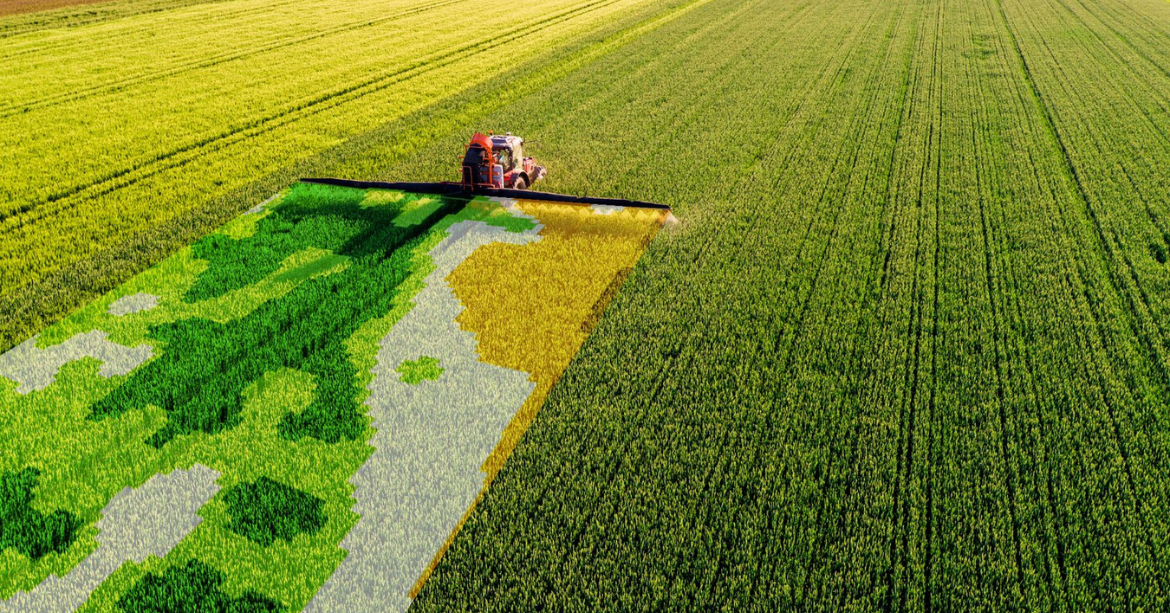
“The most impactful development, I believe, is satellite remote sensing combined with UAV technology. Satellites now deliver fresh images of farmers’ fields daily, significantly enhancing our ability to monitor crop health.”
Speaking with Brownfield, Miao underscored the tremendous advantages this brings for growers.
“Farmers can now make precise, field-specific management decisions with unprecedented speed and accuracy.”
AI in agriculture, Miao adds, has significantly amplified these benefits by helping growers interpret increasingly complex on-farm data sets.
Precision Agriculture Center at the University of Minnesota, celebrating its 30th anniversary, continues to pioneer technologies that transform farming.
From Experimental Technology to Practical Solutions
Founded in 1995 by University of Minnesota Professor Pierre Robert, the Precision Agriculture Center (PAC) initially explored foundational technologies like GPS-guided equipment and yield monitors. In recent years, innovations have accelerated dramatically:
Expanding On-Farm Research Network
Farmers and agronomists collaborate directly with PAC scientists, testing cutting-edge technologies in real-world scenarios, including new sensors, variable-rate treatments, and seed technologies. Annual meetings provide critical insights, shaping upcoming research and on-farm adoption.
Precision Agriculture Journal Leads the Conversation
Established in 2000, this leading peer-reviewed journal remains uniquely dedicated to precision agriculture techniques. Special editions this year spotlight breakthroughs in disease detection using deep learning and multi-sensor data integration.
Miao notes that daily high-resolution satellite images have revolutionized crop monitoring:
“Previously, weekly drone or plane flights limited our ability to react. Now, daily satellite imagery lets us identify plant stress, nutrient deficiencies, and diseases nearly instantly.”
Farmers now use this daily imagery to:
Track crop emergence and swiftly address gaps.
Detect early water stress, optimizing irrigation.
Adjust fertilizer applications dynamically to maximize yield and minimize waste.
These daily snapshots also help agronomists accurately predict yield potential, facilitating better logistical planning and market strategies.
Rise of Drone Scouts and Hyper-Local Insights
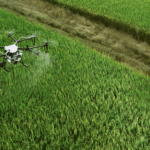
Complementing satellite views, unmanned aerial vehicles (UAVs) offer precise, localized scouting. Flying below clouds, precision ag drones capture ultra-high-resolution multispectral, thermal, and LiDAR data, allowing farmers to:
Identify early disease outbreaks or pest pressure.
Map detailed soil compaction patterns after field operations.
Validate satellite imagery for fine-tuned management.
Integrating drone swarms with ground sensors promises even greater automation, forming an autonomous, multi-layered sensor network that streamlines field management.
Artificial Intelligence Actionable Insights
Precision agriculture generates enormous volumes of data. According to Miao, AI now transforms this data into practical insights:
“Machine learning reveals complex patterns in field data that traditional analysis simply cannot. This results in precise, actionable recommendations that directly impact farm productivity.”
Common AI-driven applications currently adopted include:
Yield prediction models that integrate weather, soil variability, and plant health metrics.
Disease identification algorithms using thousands of training images for early interventions.
Autonomous prescription systems for optimized variable-rate seeding and nutrient applications.
Farmers interact with these insights through user-friendly mobile and tablet dashboards, simplifying decision-making on the go.
Enrollment in precision agriculture courses at PAC is surging, attracting students across agriculture, environmental science, and business fields. Many undergraduates, already experienced with basic precision tools, now seek advanced training in robotics, machine learning, and system integration.
To support growing demand, the Center launches a formal Minor in Precision Agriculture this fall, with plans underway for a Digital Agriculture Major by 2026.
Fully Integrated Precision Agriculture
Looking ahead, Miao anticipates fully integrated precision agriculture management platforms within the next decade:
“We envision integrated systems where satellites, agricultural drones and sensors continuously feed data into a central AI-driven platform. Autonomous equipment could then execute management plans directly, freeing farmers to focus on broader strategies and profitability.”
Expected benefits include:
Higher yields through precise input management.
Greater efficiency and reduced waste.
Increased profitability driven by data-informed decisions.
Reduced environmental impacts through targeted management practices.
Future in Precision Farming
As the Precision Agriculture Center celebrates three decades of groundbreaking innovation, the impact extends far beyond Minnesota’s borders. With daily satellite imagery, drone, AI-driven analytics, and a digitally-savvy new generation, precision farming is positioned to transform agriculture profoundly. Farmers, industry leaders, and researchers alike eagerly anticipate and actively shape the future of farming.
AgriERP is a comprehensive farm management solution designed to empower farmers with streamlined operations and increased profitability. Powered by Microsoft Dynamics 365, AgriERP offers a single, straightforward platform that addresses the pain points of various farm types. With its user-friendly interface and intelligent automation, AgriERP is like having a trusted partner by your side throughout your farming journey.
For more information about AgriERP and its innovative farm management solutions.
Recognized as the top data analytics platform in agriculture at the 2026 AgTech Breakthrough Awards. Trusted by farm owners, processors, and exporters to turn operational data into better decisions.
 Data Analytics Solution of the Year” 2026 in Agtech Breakthrough Awards 2026


 AgriERP Expert
  July 9, 2025